Featured

Cooking with Continuous Improvements: Lessons from the Kitchen

What inspired your journey with continuous improvements?

I’ve always felt that the kitchen is more than a place where people cook and eat. It is a gathering place where friends and family come discuss things that are truly important. In addition, it is the place where significant collaboration occurs. For these reasons, it would make sense that many of the lessons that I have learned about continuous improvements began in the kitchen.

These experiences taught me to look for ways to:

  • Streamline
  • Eliminate
  • Automate

First, streamlining in the kitchen is a satisfying endeavor. My mother taught me how to cook, and I can still hear her telling me, “If we clean as we go, then we won’t have to at the end.” We would do this by looking for windows of time where we could clean, and this would typically occur while we were heating something in the oven or on the stove. In order to know where the optimization windows are, the process needs to be understood from end to end. The visualization of the entire process allows the team to see where there is a point in time where activities can be overlapped. It is typically, a point in the process where there is waiting. Lean practices teach us to identify and eliminate waiting, because it creates waste in the process. If there is a point in the process where we cannot eliminate waiting, then we can maintain activity levels by overlapping tasks. Streamlining processes is important, because it allows time reductions to occur.

Second, eliminating steps out of the process is a great way to save time. Recipes are often passed down from generation to generation, and this adds to the magic of preparing any dish. We never minded mixing the batter when we added the eggs, then we mixing it again after we added the butter. We knew that we didn’t have to mix it twice, but it was part of the tradition. On the other hand, this is not the case for business processes. It is a good thing to ask questions and to make adjustments where needed. For example, a team could make an update to data in an application, then extract it out of that application to make a hand-off to a different team. After that, the new team, uploads it back into the very same application to make a new update. Due to the silos, the 2 teams never had the opportunity to communicate the whole process to each other. Therefore, they didn’t know that they could eliminate the step where that data is extracted and re-uploaded into the same application for the hand-off. Eliminating an unnecessary step reduces the overall time of the process while maintaining the quality of the end product.      

Third, there are many innovative inventions in the kitchen that contain automation. For example, the self-cleaning oven, the dishwasher, and the electric mixer are huge timesavers. At one point in time, they were just ideas, but someone had a vision of the way that things could be. Similarly, a continuous improvement program provides the teams with principles and practices for executing innovative ideas. In addition, technology often evolves more rapidly than business processes. There are several factors that can contribute to this, but communication is key to resolving them. Creating a collaborative environment allows organizations to remove silos, gain rapid feedback, and obtain visibility to processes that can be optimized through automation.

In conclusion, executing a process improvement program is rewarding, because it gives teams the opportunity to be innovative. My appreciation for continuous improvements began in the kitchen. It is the first place where I learned to streamline eliminate, and automate tasks. In summary, the kitchen is a place where we get to prepare meals that bring amazing people together, and it is also a place where we get to learn more on our continuous improvement journey.  

Featured

The Sweet Science of Continuous Improvements

“Within our dreams and aspirations we find our opportunities.” – Sugar Ray Leonard

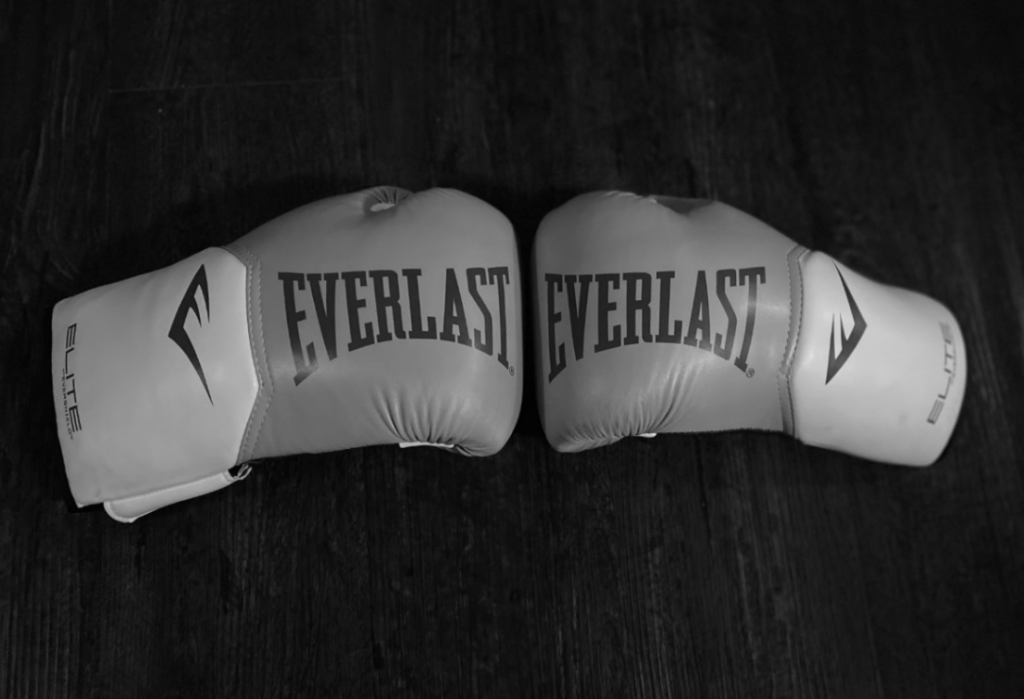
Fitness is always included in my New Year’s resolutions, so I have been deliberating about the types of workouts that I will be doing this year. I enjoy boxing inspired workouts, because they combine the cardio, strength training, and the strategy from the sport. Boxing is often referred to as the sweet science, because the competitors take a systematic approach to their success in the ring. They experiment with different tactics, and they have a mindset to continuously improve. They know that victory is not given to the competitor that has the best statistical advantage, but it is earned by the competitor that learns and adapts the fastest. This cycle of experimentation, learning, and adaptation creates the science of boxing. Similarly, there is a scientific method for determining, prioritizing, and implementing initiatives in continuous improvement programs, and the benefits that they create for business value are sweet indeed.   

3 factors that contribute to the sweet science of continuous improvements are:    

  • Strategy
  • Experimentation  
  • Optimized impact

First, boxing instructs its competitors to determine their strategy by studying their total environment. Boxers know what the opportunities and challenges will be before they enter the ring. Correspondingly, a continuous improvement program is kicked-off by gaining an understanding of the total value stream. In most cases, the first step is a chartering session, because it will outline the overall goals, opportunities, and challenges that will be become the focus of the workshop. It creates an initial target for the continuous improvement initiative, and it gives the team the opportunity to adapt as they learn more information.

Next, the sport teaches its participants to experiment. If boxers are not able make progress using a specific combination, then they explore different options. Also, if they get stuck, they always have someone in their corner that gives them advice. Similarly, continuous improvement initiatives are experiments. The team creates a goal, and they form a hypothesis about what actions will help them achieve their goal. In addition, continuous improvement teams always walk into the ring together, so they are able to ask each other for feedback. The team is created by the process owners in the value stream, because they understand the process end to end. This knowledge is necessary for achieving the team’s goals.

Third, boxing instructs competitors to optimize their impact. During the match, energy is a resource, and boxers need to conserve it. If a participant’s energy supply becomes depleted, then they will be defeated. Equally important, the fighters that make strategic strikes achieve increased success. Likewise, continuous improvement programs prioritize tasks to create the largest amount of business value while using the least amount of resources (time and money). This action allows the team to optimize their impact.   

In conclusion, there is a sweet science to executing continuous improvements. It begins when the overall strategy is determined, and this typically takes place during a chartering session. Also, the team experiments and modifies the initiatives based on new learnings. In addition, the team will prioritize their action items, so they optimize their impact and achieve their goals. Similarly, the sport of boxing is considered a science, because the competitors are continuously learning through different experiments inside and outside of the ring. Also, boxing inspired workout classes are a great way to execute my personal fitness continuous improvement program, so I was happy to add them to my New Year’s resolutions. In summary, Sugar Ray Leonard is considered to be one of the greatest boxers of all time, and he once said, “Within our dreams and aspirations we find our opportunities.” Those words resonate with me, and I am wishing everyone endless success as your realize your dreams, pursue you aspirations, and discover your opportunities this year.

Featured

Living the Dream with Continuous Improvements

“You don’t have to be a genius or a visionary or even a college graduate to be successful. You just need a framework and a dream.”
– Michael Dell

The Society for Human Resource Management’s 2017 Employee Job Satisfaction Survey stated that only 41% of respondents were extremely satisfied with the work itself. Unfortunately, this is not living the dream. If people are going into the office everyday feeling uninspired about their work, then this is an opportunity for innovation. The great news is that we can create a better work environment for everyone. It starts with creating a continuous improvement culture, and this empowers teams to optimize their processes. What does optimizing processes include? It includes many things, but some of the activities are streamlining, eliminating, and automating processes. If we reduce the time that our teams spend on manual work, then they have time to work on innovative ideas that can often drive revenue. Innovation increases the company’s bottom line, so the organization wins. Also, this work is typically more exciting, so our colleagues win. It creates happier teams, and the company creates a solid competitive advantage due to the increased long term business value.

Creating a continuous improvement culture starts with a mind shift change, so everyone starts thinking about the ways they want to improve processes. Also, it helps to have a strategy, so the teams know how to get started with their first continuous improvement project. In addition, it is a good idea to have someone coaching the team that has had previous experience in the continuous improvement space.

There are 3 high level components to a continuous improvement project:

  • A goal
  • A framework
  • Metrics that will help you measure your success

First, the goal defines the dream. It answers the question of why we are doing the project. An expected outcome could be to reduce the time or cost of a process. Also, you may want to increase the quality or employee satisfaction that occurs whilecompleting the process. A bonus would be to create value for all 4 areas. Also, a good practice is to define the goal in business terms, because it helps everyone understand what we want to do.For example, I want to take “Process A” from 10 days to 5 days for anestimated 50% cost reduction.

Next, using the correct framework will make the process innovation a success. Value streammapping and A3 are 2 common frameworks, and they break down the steps of the process improvement project. The value stream mapping framework creates avisual representation of the steps of the process, and it helps to identify theissues. Similarly, the A3 framework captures the steps of the process, so theteam is able to find any challenges. Next, the team analyzes the root cause ofthe issues, so they can be resolved.

Third, collecting the metrics will help the teams make data driven decisions, and it will help them report their business value creation. The current state of the processwill create the baseline metrics for time, cost, quality, and employee satisfaction. After the baseline data is collected, then the teams will want to collect the data for the future state of the process. This will let them measure the impact they are creating by executing the continuous improvement work. If the measured impact is low, then they may need to determine a new method for achieving their goals. Also, they could decide to classify the workat a lower priority, so they are able to expedite the execution of more impactful work. On the other hand, if the work has a high impact, then they will classify it at a high priority. After the process innovations have beenexecuted, then the team will collect the new data to report the actual business value creation.

In conclusion, we spend a large amount of time working, and we take pride in being topperformers. A week has 168 hours total, so working 50 hours is almost 1/3 ofthe total time available. There are many opportunities to optimize our time atwork with a continuous improvement projects. The starting point for acontinuous improvement project is having a goal, a framework, and metrics tomake data driven decisions and measure success. We will be creating morebusiness value with the available time, and this increases job satisfaction. It will lead to things like increased morale, reduced turnover, and it will help with recruiting top talent. Most importantly, we are creating an innovativeenvironment and a strong corporate culture, and that is living the dream.

Community

Recently severe weather tore through Texas, and it brought with it several tragic things. I walked outside of my house, and I saw damage everywhere. Trees that had been in the neighborhood for over 30 years had fallen, and they were blocking the roads. There was a sense of loss that filled the air. In the middle of all the devastation, something inspiring happened. Everyone in the neighborhood came outside with hacksaws and tree trimmers. We worked together for hours to move the fallen trees off the road, so we were able to drive our cars to get supplies. It took several hours, but we worked together as a community to clear the roads. Out of an event that shook us all to the core, we pulled together to help each other. I made new friends, and we have continued to check on each other since the event. In challenging times, that is what communities do. We pull together, and we have an opportunity to make the world a better place.

Transformative Travels

Lessons from a Surf Trip to Tamarindo, Costa Rica

Travel is one of the things that brings me joy, and I enjoy planning vacations. I carefully weigh my options before I book a vacation. This is because the world is large, and time is a limited resource.

When I make decisions on taking a vacation, I have 3 criteria:

  • Where can I go that will inspire me?
  • Where can I go to improve my skills?
  • Where can I go that will leave a lasting impact on me?

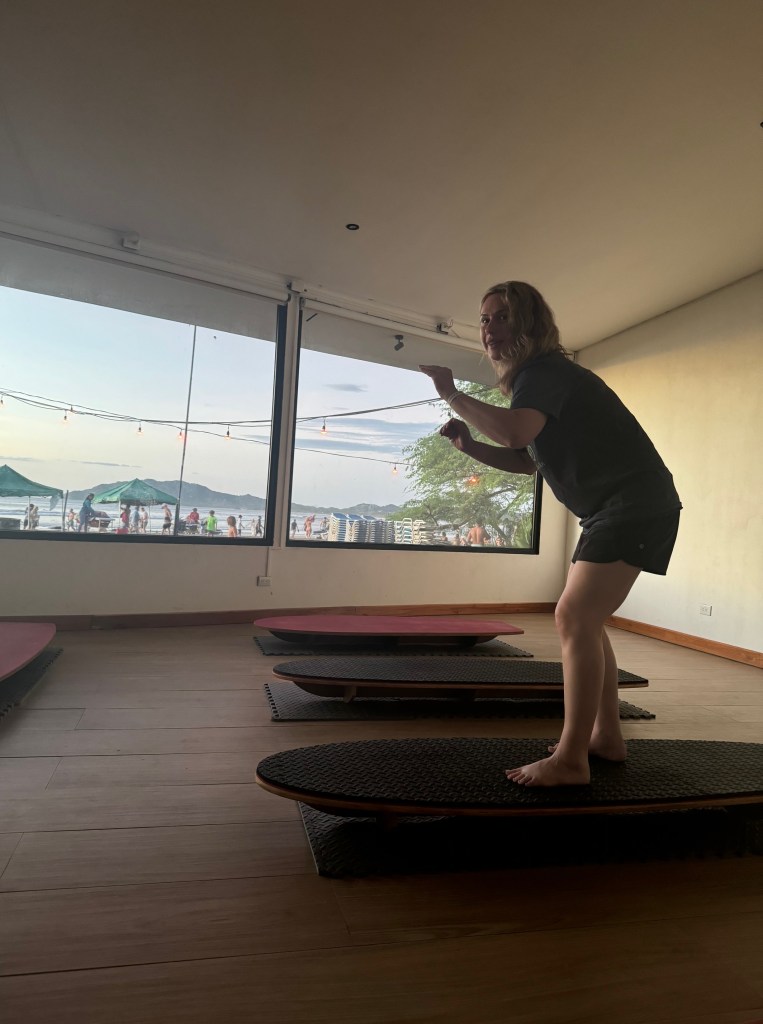
For the Thanksgiving holiday, I went to Tamarindo, Costa Rica to go surfing. This vacation met all my criteria, and it far exceeded my expectations. I stayed at a fantastic surf school named Witches Rock. Many thanks to the team and coaches that went above and beyond to deliver a world-class and impactful experience. What made it great? There were countless things, but I am going to focus on the 3 items that helped me decide to take the trip.

First, where can I go that will inspire me? Location, location, location still holds true. The hotel is on the beach, and I could have a cup of coffee every morning and watch the sun rise. I had a front row seat to the waves rolling in, and I could smell the fresh ocean air. It gave me the opportunity to be grateful for the beautiful world that we live in, and I was able to be in the present moment. It allowed me to focus on the things that inspire me, and this is something that will stay with me forever.

Second, where can I go to improve my skills? I enjoy surfing, but it is not because I am a great surfer. I am a firm believer that expertise and enjoyment of an activity do not need to have a direct correlation. I do not live close to the ocean, and I had not surfed for almost 2 years. Witches Rock took that into account, and they helped me get back some muscle memory. First, there was a daily strength and training class, so I could practice out of the water. Many of the exercises focused on improving core strength and balance, and this prepared me for what would happen in the waves. After that, we went surfing in the ocean. I had a world-class coach with me, and he provided me with brilliant insights while we were catching waves. Also, he did what all great coaches do, and he pushed me when I needed it. When we get coached, we need to be pushed out of our comfort zone, but we need to be allowed to make our own insights. In addition, there was video analysis at the end of the day, where we got to watch ourselves surf. That was the game changer for me, because I could see exactly what I needed to do to improve. I have had surf lessons before, but this took it to a whole new level. These practices helped me improve so fast that I even surprised myself.

Third, what will leave a lasting impact on me? This will be different for everyone, because we all have different preferences. For example, there are many foodies that travel to taste local cuisine, or some travelers want to learn about the local history and see historical sights. While I love both food and sightseeing, my favorite thing to do is make friends. I love people, and the people that live in Tamarindo are warm and welcoming. I made friends for a lifetime, and I am extremely grateful. I was able to immediately feel the sense of community that was shared between everyone there. There were many magic moments where everyone was encouraging each other, and we helped each other achieve our goals. We all wanted to see each other succeed. That is a great impact, and I will never forget it.

Next, let’s talk about how to apply these principles to vacations where you are not traveling alone. The rules change when you travel with family and friends. It is important that you pick an activity that all travelers will enjoy, because everyone has a limited amount of vacation time per year. Using the 3 questions will help you make a decision, but the questions will not help with pick a place. Accordingly, you should make a list of everyone’s dream destinations, and you should go to all the places on the list over time. Also, everyone should have input on the itinerary, so the planning does not fall solely on one person. Also, everyone gets an opportunity to pick an activity that will inspire them.

In conclusion, the 2023 surf trip was a life changing experience, because I flew home feeling inspired, with improved skills, and it will have a lifelong impact on me. It is important to note that I love to travel, but I still get nervous about it. I hopped on a plane to go surfing, and I hadn’t been on a surfboard in over 2 years. Also, I didn’t know anyone that would be at the surf school. I had to take a leap of faith that the coach would help me refresh my skills, and I had to believe that I would make some friends. In fact, I significantly improved my surfing skills, and I made friendships that will last a lifetime. I met and exceeded my goals for the trip, and it was a successful vacation.

A wipeout is a great learning experience

Process Superpowers

“One of the only ways to get out of a tight box is to invent your way out.” -Jeff Bezos

Which superhero would be considered to be more innovative: Superman or Batman? The answer is Batman. The justification for this selection is, because he has to be. After all, Batman does not have any actual superpowers. He has a great team, and he has great funding. This is an amazing combination, but he relies on innovation to fight crime. On the other hand, Superman can fly, and he has super strength. He doesn’t need innovation to fight crime. If Superman hits a wall, he can just run through it with no issues. However, Batman (and the rest of us) will be building something to remove the wall. This can be a good thing, because the opportunity to resolve an issue is motivating. It gives teams a clear goal, and it increases employee engagement. This is important, because it translates to real results. In 2017 Gallup found, “Highly engaged business units realize a 17% increase in productivity.”

However, innovative ideas are sometimes not well received, because they typically involve a process change. Even in the most supportive corporate cultures, innovation can be met with resistance. New processes create an initial increase to work in progress, and this equates to a need for the replanning and reprioritization of the current workload. In other words, it creates more work. Also, it puts more pressure on a system that may already be stressed. For example, in order to keep up with the current workload, teams may be working a heroic amount of overtime. Unfortunately, their efforts are being rewarded with an increase in technical debt, and a decrease in work-life balance. This cycle can be demotivating.

The solution is to improve the process, because it will optimize the value stream. After the initial increase in workload, the team will see a benefit from the process change. They will be able to increase their impact with reduced effort, and the progress is measurable. In other words, the time investment will create a return, and it will break the cycle.

The most challenging part of the process innovation can be the initial stages, because that is where there is the most resistance. 

A few things to remember while removing the wall: 

  1. Know there is a wall 
  2. Gain feedback from the team and customers
  3. Celebrate the victories  

First, it is helpful to know that there is a wall. The process innovation will bring a benefit to the team, but it still creates additional work during the initial stages. Also, the process works in a non-optimized state. Over the long run, the current state of the process is not sustainable, but it is still working today. Processes and technology evolve over time, and the original process worked well with the dependencies that existed. For that reason, the focus of the discussion needs to relate back to the quantifiable business value that the process improvement will create. After everyone on the team is aligned to the overall goal of the process improvement, then the individual tasks can be mapped out. 

Second, the team’s feedback is essential to creating the plan. They are executing the process daily, and they are the experts. Also, customer interviews will help close the feedback loop, because they will be able to explain what pain points exist in the current process. The new ideas and collaboration from all stakeholders will allow the innovation to create increased value. Also, this will increase the momentum of the project. The goal is to bring benefit to the whole value stream. For example, if you do not include all process owners, then there is a risk that the solution will include shifting work from one team to a different team. It will not benefit everyone. A solution that creates business value will streamline, eliminate, or automate work for the overall value stream.

Third, increasing business value strengthens a company’s overall competitive advantage, and it is a significant victory. Celebrating the work that was put into the innovation amplifies the continuous improvement culture, and that culture creates a solid foundation for future innovation work. Also, it communicates the success and learnings across the company, and this will scale the program at a faster rate. For example, other teams could be facing a similar issue to the one that was just resolved, and the knowledge that was gained will help them expedite their success. Additionally, the celebration recognizes everyone’s contribution to the execution of the innovation, and it relates the work back to the quantifiable goal. Also, it is always a good idea to have cake at any celebration, because cake is delicious. 

In conclusion, innovation is necessary, because technology and processes evolve over time. A process may have been created in an optimized state, but it needs to be improved to maintain and increase a company’s competitive advantage. Consequently, process improvements create an initial increase to a team’s current workload, and this generates resistance to the change. Establishing quantifiable goals and breaking down the process improvement into smaller tasks are the first steps to reducing the challenge. Also, It creates a system where continuous improvements are built into the regular process, and it decreases the need for working late nights, weekends, and other heroics. In that light, creating an optimized process can be its own superpower.  

Redefining Leadership

I have had the opportunity to work with many outstanding leaders that have made a huge impact on my career. Some of them had manager titles, and some of them did not. Their leadership has allowed me to accomplish so much more than I ever dreamed, and I will pay it forward. I wrote this story to say thank you to leaders everywhere.

“If your actions inspire others to dream more, learn more, do more and become more, you are a leader.”

-John Quincy Adams

Debbie joined the company about 2 months ago, and she was still getting lost on the 3rd floor. Her new company sold several web based software products that were used in the financial services industry, and her team was working on one of their highest selling products. It was exciting! In addition, she believed in this product, because it had great functionality. Also, the product was going to get even better with the new features that Debbie’s team was working on.  

Debbie always enjoyed programming, but this company was amazing. It had an innovative culture that encouraged people to try new things. It made her enjoy her role as a Java developer even more. Also, this company was focused on providing the most value for the customer, and this was something that resonated with Debbie. She wanted to create products that she would actually use herself. Working for this company was a dream for her, and it showed. She smiled so much that her nickname at the office was “Smiley.” 

The company created a strong competitive advantage by continuously improving their software products. They did this by paying attention to customers requests. Also, they used data to drive decisions about innovations. Unquestionably, the company’s products had best in class design, features, and performance.  

Still something was troubling Debbie, she felt like there was a way to next level the process for creating the software. In other words, she wanted to decrease the overall time it took to create a new version release, so her customers would have the opportunity to use all of the cool new features sooner.

Also, she had a plan. She wanted to reduce the overall time it took to create a new version release by 50%, so that would be her goal. The team had already begun to decrease the batch size of the code, but they were still finding issues in testing. She wanted to expedite the time it took to find the issues, and the best way to do that was to create smaller pieces of code. In other words, the fastest way to find a needle in a haystack is to decrease the size of the haystack.  

In addition, there was another process improvement that would help her team deliver even faster. Debbie wanted to build a CI/CD pipeline, so her team was able to expedite the integration and delivery of the code. Similarly, she wanted to automate more of the unit test cases for an additional time reduction. Also, this innovation would decrease the amount of manual work, so it  would improve the quality of the overall process. 

Below is a quick recap of Debbie’s plan: 

  1. The goal was to reduce the overall time of a version release by 50%.
  2. Further reduction of the batch size of the code, so issues would be found faster. 
  3. CI/CD pipeline implemented.  
  4. Increased percentage of unit test case automation.  

It was a solid plan, but Debbie knew that the process change would create an initial increase in time. She needed to make sure that she factored that into the planning, so she would still be able to decrease the overall time of the version release by 50%. Also, she wanted to enlist some help. She ate lunch with 2 developers that used DevOps practices, and they had built CI/CD pipelines for other teams. She asked them to coach her team while they implemented the process improvements. 

Next, she had to present her plan to her Manager, Dave. Debbie was a little bit nervous, but she already knew that he would be supportive of the opportunity to improve the process. Dave said, “This is great Debbie! What can I do to help?” Debbie replied, “Will you ask the team to start working on the continuous improvement project?” Dave, who was typically relaxed, got a serious look on his face. He said, “Debbie, this is an amazing initiative, and I empower you to lead the team on this. Will you work with our team to gain their support?”

Debbie had never considered herself a leader before, so she began to let the idea roll around in her head. She always wanted to be a leader someday, but could she be one today? It was almost as if Dave was reading her thoughts, and he said, “Debbie, you became a leader when you took the initiative to put together this plan to improve the process. You were thinking about other people, and that is what a leader does. You wanted to bring the product to our customers sooner, and you wanted to reduce the amount of manual work that our team had to do to deliver the product. The next step is to communicate your plan to our team, so they can execute it. You created this plan for them, because you believe in them. That will come through when you communicate it to them, and then they will know that they can execute it.” 

Debbie answered, “But we have never done this before. How can I tell them that they can do it?” Dave replied to her, “You will get them to believe in themselves, because then they will be able to accomplish anything. Also, take this opportunity to learn. You will learn how to execute the process better. If things don’t go 100% according to plan, then you will be able to take those learnings into the next iteration.” Debbie felt apprehensive, but she knew that it was the right thing to do. She turned to walk out of Dave’s office, and she heard him say, “Debbie, you can do this. You are a leader.”

That was what Debbie needed to hear, because it gave her confidence. Debbie asked the team to work with her on the continuous improvement plan. At first, they had the same concerns about the timeline. Debbie remembered what Dave said about getting them to believe in themselves, and she realized that Dave was right. He had gotten her to believe in herself, and she was leading the team! Debbie told her team, “I believe in you, and I know we can hit the goal.”

Her teammates were onboard, and they were working through the process. As always, there were a few adjustments that needed to be made to the plan, and there were a few things that needed to be learned along the way. The overall time for the version release was reduced by 55% on the first attempt. This was a huge success, and Debbie knew that they could reduce it even more on the next iteration. Also, there was an opportunity to scale this process to the other products in their portfolio. In addition, the positive customer reviews that they had received on the release confirmed that they had made a huge impact.

Debbie was smiling, as usual. Her team had completed a challenging task, and it created a large amount of business value. Also, Debbie realized that she could be a leader, because being a leader wasn’t something that was only reserved for people with manager titles. It was something that everyone had the opportunity to achieve, and the starting point was wanting to do something of value for other people. For example, she wanted to bring her team a process improvement that would add value for them, and it would add value for the customer. In addition, she believed in her team, and she made sure they knew it. Debbie remembered what Dave had told her, “You will get them to believe in themselves, because then they will be able to accomplish anything.” She knew that this was true. He had gotten her to believe in herself, and this gave her the confidence to be a leader. Most importantly, it had helped her redefine leadership.   

Risk Mitigation on the Second Iteration

“The only man who never makes a mistake is the man who never does anything.”

– Theodore Roosevelt

Continuous improvements and innovations will take us down unknown roads, but there is no reason why we can’t take a GPS to prevent us from getting lost.

Changing a process creates risk, and this includes process improvements that are intended to optimize the workflow. We can predict some of the risk that will occur with a new process, and that risk can be mitigated immediately. If we are doing something new and experimental, then we can pilot the process for a smaller length of time to control any fallout. This strategy is called: “the controlled burn,” because it is what the forest service does to reduce the risk of large fires. Taking a risk is not reckless. It is the basis for experimentation, and there would be no innovation without experimentation.

In addition, risks create reward, and every great visionary in history took risks to make great things happen. For example, Henry Ford built his business around automobiles, and this was at a time when there were very few paved roads. Mr. Ford did not let the presence of risk deter him, and his contributions made the industry what it is today. We can stay true to the entrepreneurial spirit while taking calculated risks, and this will greatly reduce any unintended consequences of a process change.

There are 3 prework items that can be built into a process improvement plan to help reduce risk:

  • Review WIP (work in progress) to see if any tasks can be eliminated 
  • Communicate and educate impacted teams about the process change
  • Have a backup plan

First, it is important to go over any WIP items in the backlog, because the team can eliminate any unnecessary tasks. Typically, these are outdated or duplicate tickets. For example, if the item was time stamped 10 years ago, then it is a good idea to validate that the work is still needed. Also, it is the perfect time to reprioritize the backlog, so the team can work the most important items first. In addition, the WIP tasks should have new estimated completion dates assigned to them, and this will help everyone know the most current information. Similarly, a work burndown chart can be created to give a date for when all of the current WIP tasks will be completed. Communication of the new estimated completion dates is important, because this will reduce work interruption. For example, people will know when their tickets will be executed, so they are not asking the team for updates while they are executing their planned work. Typically, WIP increases in response to a process change, so adding an updated WIP execution plan to your continuous improvement prework will mitigate the risk. 

Next, the continuous improvement lead will help communicate and educate people about the new process. Also, the lead should share why the process change is important, so you gain support for the project. My recommendation is to complete a value stream map of the process, so you have metrics and are able to report the expected increased business value from the process change. For example, if all of the process owners in the value stream know that the process change will decrease the overall process by a significant number of hours per year, then they are more likely to support the project. Training documents are helpful for getting the message out quickly, and there should be a common place where all of the documentation and playbooks are stored. In addition, cross training sessions can be done in parallel, and this will decrease the risk of having only one person that is an expert for any part of the process. Gaining support, communication, and cross training are good tasks to add to your kanban prior to the start of a continuous improvement project.   

Third, have a back-up plan, because having options is always a good thing. As a rule of thumb, you will want to have three different paths you can go down for a solution. Also, you want to cost out each different option, because spending a dollar to save a dime is typically not well received by leadership. If you are using a technology based solution, then you want to explore how it impacts the downstream systems in addition to its functionality. Also, check to see if there is an application in the current landscape that already provides the functionality that you need. In addition, using practices from DevOps will be beneficial if any issues occur. For example, use small batch sizes while you are rolling anything new out, because this will make it is easier to identify where any issues are occurring. Similarly, small batch sizes become useful if any code needs to be rolled back. In summary, having a back-up plan on deck that involves other options for achieving your continuous improvement goals is a good task to add to your prework process, and using DevOps practices during execution prevents issues from becoming critical.

In conclusion, experimentation and innovation will create a solid competitive advantage for a company, and they are key components of a successful corporate culture. New processes do increase risk, but there are ways to make this risk manageable. For unseen risks, pilot the innovation and execute the risk mitigation on the second iteration. Similarly, have a solid prework plan in place that includes: managing WIP, communicating the process change, and having a back-up plan will significantly decrease the risk that comes with changing a process. In summary, continuous improvements and innovations will take us down unknown roads, but there is no reason why we can’t take a GPS to prevent us from getting lost.

The Journey

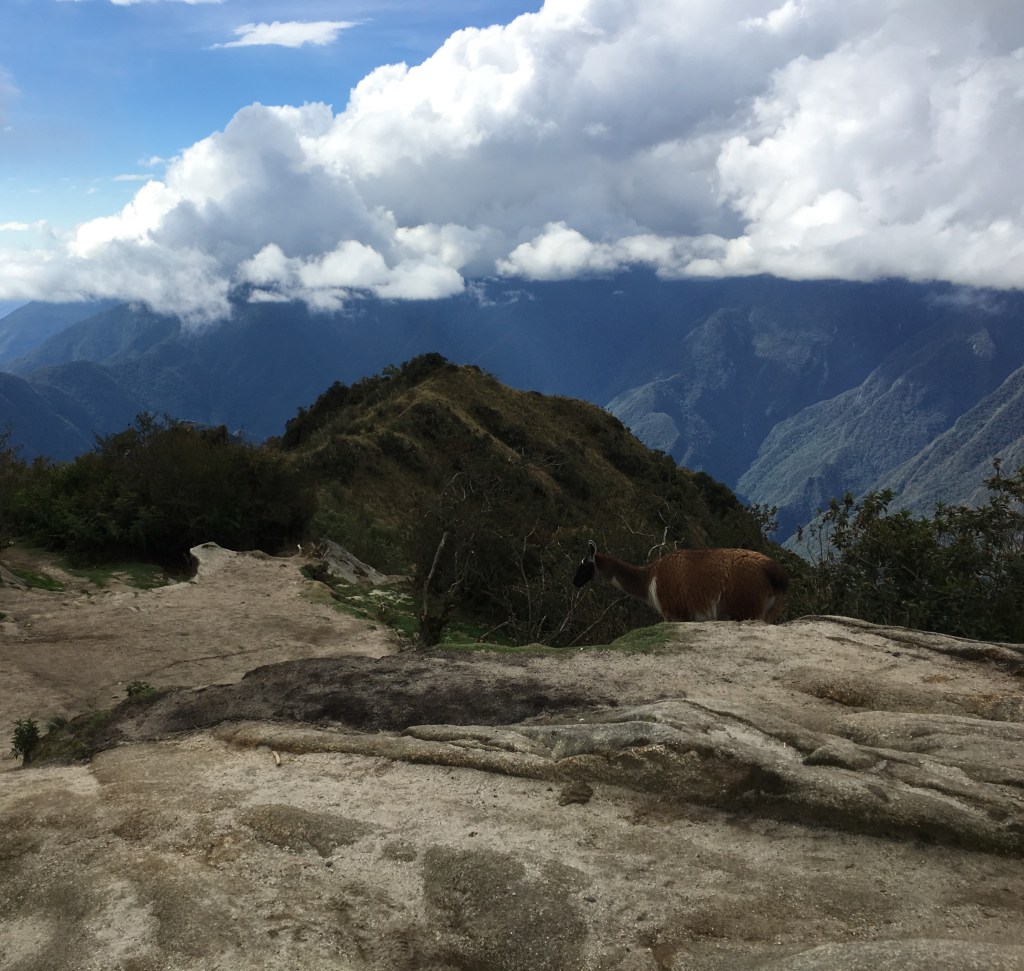
Every hike always begins with a destination, because that is why you spend months training and planning the perfect trip. You want to reach your goal, and that was the point of the trip. This seems like reasonable logic, because the goal started the whole process. When you look back at the trip months or years later, you realize that it was always about the journey more than the destination. That is the purpose of this blog, to celebrate our journey in technology and to optimize the processes we use to reach our goals.

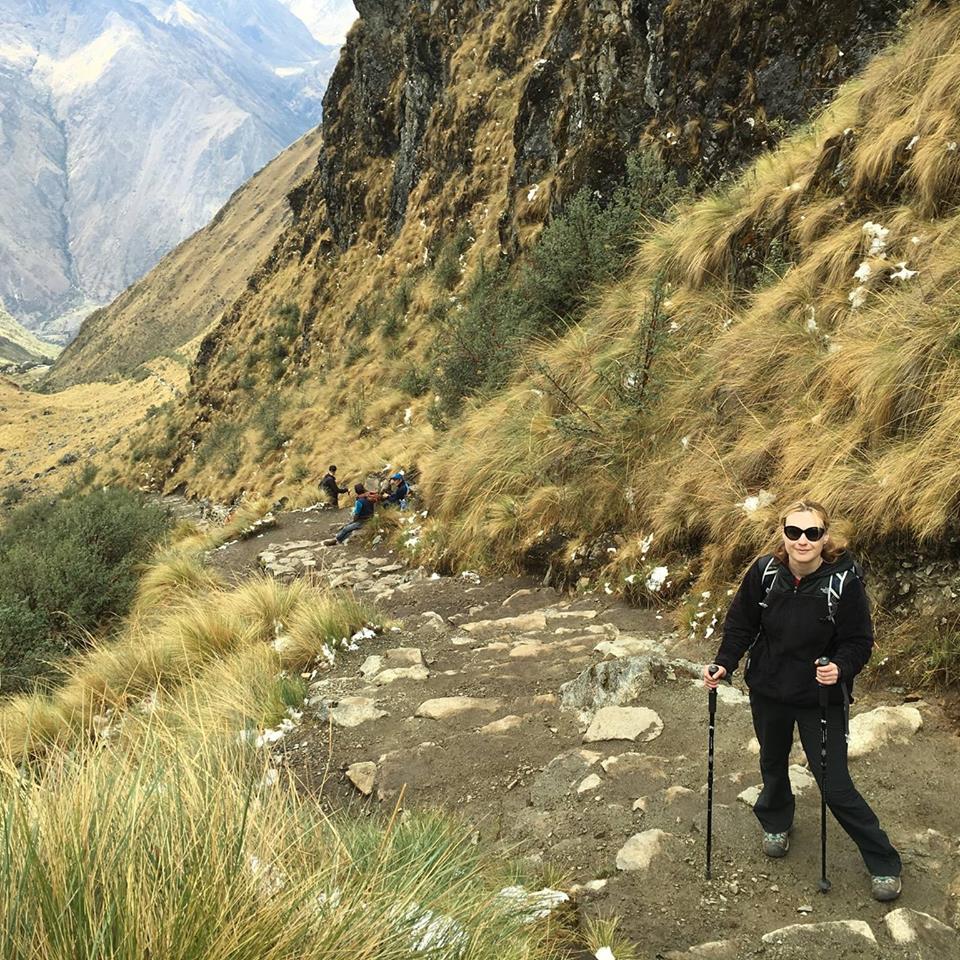
Hiking in the Andes Mountains in Peru during the journey to Machu Picchu.

When you look back at the trip months or years later, you realize that is was always about the journey more than the destination.

Why is the journey important?

  • The journey impacts the outcome. In other words, optimizing processes impacts the business value.
  • The journey takes time, and time increases cost. Optimizing processes will reduce time and cost.
  • The ability to create more business value for less cost creates a strategic advantage.

I will blog about the continuous improvement practices that I have found success with during my various roles in technology. My goal is to share innovative ideas that create continuous improvements for technology and business.

As always, I am looking forward to the journey.